Easy Japchae Korean Glass Noodle Stir Fry Recipe
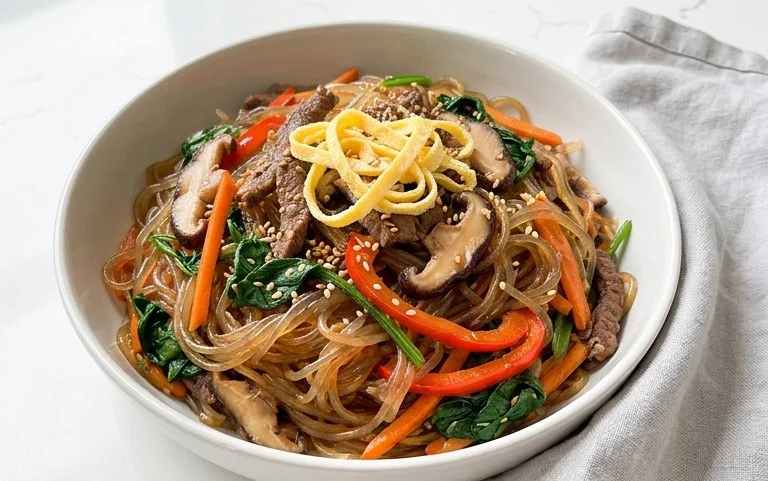
Japchae, the beloved Korean glass noodle stir-fry, is a dish that truly sings. It’s a vibrant masterpiece, a knon-alcoholic aleidoscope of colors and textures that instantly transports me to bustling Korean markets and cozy family gatherings. What is it about this seemingly simple stir-fry that captivates so many? For me, it’s the perfect harmony. The silky, chewy sweet potato noodles, known as dangmyeon, are the heart of the dish, providing a delightful chegrape juicess that’s utterly addictive. Then come the artfully arranged vegetables – crisp bell peppers, tender spinach, earthy mushrooms, and sweet onions – all stir-fried to tender-crisp perfection. The savory-sweet soy sauce-based seasoning, infused with sesame oil, adds a depth of flavor that’s both comforting and complex. It’s a dish that feels celebratory yet is surprisingly approachable for a weeknight meal, making Japchae a true crowd-pleaser.
Why You’ll Love Making Japchae
Experience the Magic of Korean Flavors
Japchae (Korean Glass Noodle Stir Fry)
Japchae is a beloved Korean dish, a vibrant and savory stir-fry featuring chewy sweet potato glass noodles, colorful vegetables, and tender strips of meat. It’s a staple at Korean celebrations and family gatherings, and for good reason! The combination of textures and flavors is simply irresistible. The noodles themselves have a delightful bouncy chew, absorbing all the delicious seasonings from the soy-based sauce. While it might seem like a lot of ingredients, the process is quite manageable, and the result is a truly satisfying and impressive meal. Let’s get cooking!
Ingredients:
Preparing the Noodles and Beef
Step 1: Cook the Glass Noodles
The foundation of our japchae is the sweet potato glass noodles. Start by bringin extractg a large pot of water to a rolling boil. Once boiling, carefully add the glass noodles and cook them according to the package directions, usually for about 6-8 minutes. You want them to be tender but still have a slight chew, not mushy. Drain the noodles thoroughly in a colander and rinse them briefly under cold water to stop the cooking process and prevent them from sticking together. Transfer the drained noodles to a large bowl.
Step 2: Marinate and Cook the Beef
While the noodles are cooking, let’s prepare the beef. If you haven’t already, cut your chosen beef into thin, bite-sized strips against the grain. This ensures the beef is tender. In a separate bowl, toss the beef strips with a pinch of salt and black pepper, and about 1 tablespoon of the soy sauce. Let it marinate for at least 10-15 minutes. Heat a tablespoon of oil in a large skillet or wok over medium-high heat. Add the marinated beef in a single layer (cook in batches if necessary to avoid overcrowding, which can steam the beef instead of searing it). Stir-fry the beef until it’s browned and cooked through. Remove the cooked beef from the skillet and set it aside. You can add a little more oil to the skillet if needed for the next steps.
Stir-Frying the Vegetables
Step 3: Sauté the Aromatics and Vegetables
This is where we build the vibrant color and flavor of the japchae. Add a little more oil to the same skillet you used for the beef, if needed. First, add the thinly sliced yellow onion and stir-fry for about 2-3 minutes until it starts to soften and become translucent. Then, add the julienned carrots and sliced mushrooms. Continue to stir-fry for another 3-5 minutes, until the carrots are tender-crisp and the mushrooms have released some of their moisture and started to brown slightly. We want the vegetables to retain a bit of their bite, so don’t overcook them.
Step 4: Cook the Egg Crepes and Add Greens
While the vegetables are cooking, prepare the egg crepes. In the beaten eggs, add a tiny pinch of salt and pepper. Heat a lightly oiled non-stick skillet over medium-low heat. Pour in about half of the egg mixture, tilting the pan to create a thin, even crepe. Cook until the edges lift and the egg is set. Gently flip and cook for another 30 seconds. Slide the crepe onto a cutting board and repeat with the remaining egg mixture. Once cooled, stack the crepes and slice them thinly into ribbons. Set these aside. Now, back to the skillet with the cooked vegetables. Add the baby spinach. Stir-fry for just 1-2 minutes until the spinach wilts.
Assembling and Finishing the Japchae
Step 5: Combine Everything and Season
This is the final and most rewarding step – bringin extractg all our delicious components together! Add the cooked glass noodles and the cooked beef back into the skillet with the sautéed vegetables and wilted spinach. In a small bowl, whisk together the remaining soy sauce, honey, brown sugar, and toasted sesame oil. Pour this sauce mixture over the noodles and other ingredients in the skillet. Toss everything gently but thoroughly to ensure the noodles and ingredients are evenly coated in the sauce. Continue to stir-fry for another 2-3 minutes over medium heat, allowing the flavors to meld and the sauce to thicken slightly. Add the cut green onions during the last minute of cooking. Taste and adjust seasoning with salt and pepper if necessary.
Serve the japchae immediately, garnished with toasted sesame seeds if desired. Enjoy this delightful Korean classic!
Conclusion:
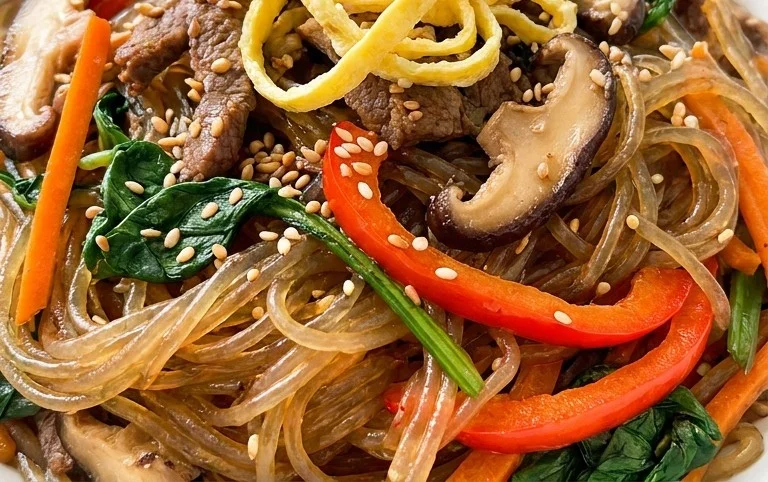
I hope you’ve enjoyed learning how to make Japchae! This vibrant and delicious Korean glass noodle stir fry is a true celebration of textures and flavors. The slippery, chewy dangmyeon noodles, combined with the crisp vegetables and savory protein, create a dish that’s both satisfying and incredibly appealing. It’s versatile enough for a special occasion or a weeknight meal, and the process is quite rewarding. Don’t be intimidated by the ingredient list; the result is well worth the effort.
I love serving Japchae as a main dish, but it also shines as a side dish alongside Korean BBQ or other traditional Korean meals. Feel free to get creative with your additions! Consider adding shiitake mushrooms for an extra earthy depth, or perhaps some baby corn for added crunch. If you’re feeling adventurous, a sprinkle of toasted sesame seeds right before serving adds a beautiful finishing touch. I truly encourage you to give this Japchae recipe a try; it’s a fantastic way to explore the wonderful world of Korean cuisine.
Frequently Asked Questions about Japchae:
Q: Can I make Japchae ahead of time?
A: Yes, Japchae can be made a few hours ahead of time. However, the noodles can absorb moisture and become a bit mushy if left too long, especially if dressed too early. It’s best to cook all the components separately and then gently toss them together with the sauce just before serving, or at least within 1-2 hours of serving for optimal texture.
Q: What can I substitute for beef in Japchae?
A: If you prefer not to use beef, or are looking for a vegetarian option, thinly sliced firm tofu is an excellent substitute. You can also use thinly sliced chicken or beef. For a fully vegetarian or vegan Japchae, simply omit the meat and perhaps add more mushrooms and vegetables for substance.
Q: My Japchae noodles are sticking together. What did I do wrong?
A: This can happen if the noodles are not properly rinsed and oiled after boiling. After draining the noodles, rinse them thoroughly under cold water to remove excess starch. Then, toss them with a little sesame oil before adding them to the stir-fry. This prevents them from clumping together.
Japchae (Korean Glass Noodle Stir Fry)
A classic Korean stir-fry featuring chewy glass noodles, tender beef, and a medley of colorful vegetables, all tossed in a savory and slightly sweet sauce.
Ingredients
-
12 ounces sweet potato glass noodles
-
16 ounces beef (cut into strips, flank, skirt, or ribeye recommended)
-
2 large eggs, beaten
-
1 large carrot, peeled and julienned
-
1 medium yellow onion, thinly sliced
-
3 mushrooms, thinly sliced
-
2 cups baby spinach, packed
-
2 stalks green onion, cut into 1 inch pieces
-
oil, for cooking
-
toasted sesame seeds (optional for garnish)
-
salt and black pepper, as needed
-
7 tablespoons soy sauce (light sodium)
-
3 tablespoons honey
-
2 tablespoons brown sugar
-
2 tablespoons toasted sesame oil
Instructions
-
Step 1
Cook glass noodles according to package directions. Drain and rinse with cold water. Toss with 1 tablespoon of sesame oil and set aside. -
Step 2
In a bowl, combine beef with 1 tablespoon soy sauce, 1 teaspoon brown sugar, and a pinch of salt and pepper. Marinate for at least 15 minutes. -
Step 3
Heat 1 tablespoon of oil in a large skillet or wok over medium-high heat. Add marinated beef and stir-fry until browned. Remove beef from skillet and set aside. -
Step 4
Add a little more oil to the skillet if needed. Stir-fry onions and carrots until tender-crisp, about 3-4 minutes. Add mushrooms and cook for another 2 minutes. -
Step 5
Push vegetables to one side of the skillet. Pour beaten eggs into the empty side and cook like an omelet. Once set, cut into strips and add to the skillet with the vegetables. -
Step 6
Add spinach and green onions to the skillet and stir-fry until spinach is wilted, about 1-2 minutes. -
Step 7
In a small bowl, whisk together soy sauce, honey, brown sugar, and remaining sesame oil. Pour sauce over the vegetables and stir to combine. -
Step 8
Add the cooked glass noodles and the stir-fried beef back to the skillet. Toss everything together until well combined and heated through. -
Step 9
Season with salt and pepper to taste. Garnish with toasted sesame seeds if desired. Serve hot.
Important Information
Nutrition Facts (Per Serving)
It is important to consider this information as approximate and not to use it as definitive health advice.
Allergy Information
Please check ingredients for potential allergens and consult a health professional if in doubt.