Easy No Yeast Pizza Dough – Quick Homemade Pizza
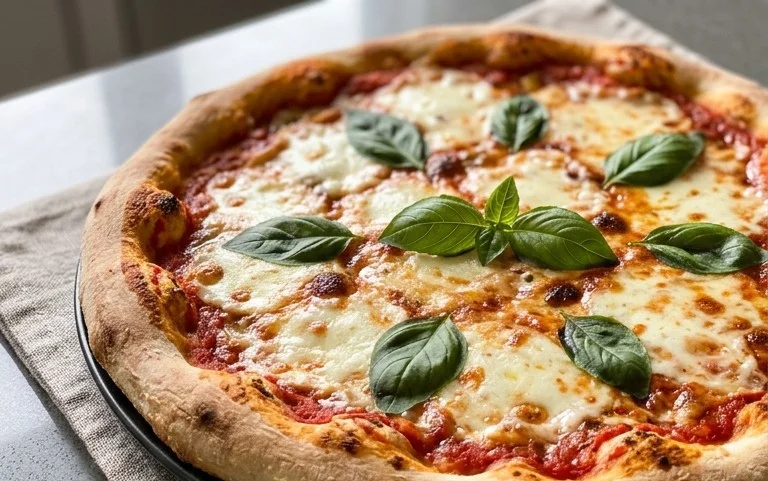
An excellent No Yeast Pizza Dough is your secret weapon for spontaneous pizza nights, and I’m thrilled to share this recipe with you! Forget waiting for dough to rise, or dealing with finicky yeast. This quick, easy homemade pizza dough delivers incredible flavor and a wonderfully chewy crust without a single packet of yeast in sight. Imagin extracte this: the craving hits, you whip up this dough in minutes, and soon your kitchen is filled with the irresistible aroma of baking pizza. It’s a game-changer for busy weeknights or when you simply want delicious pizza without the fuss. What makes this no yeast pizza dough so special? It’s the perfect balance of simplicity and fantastic results. You get that satisfying pizza texture, ready for all your favorite toppings, in a fraction of the time. Get ready to become a pizza-making hero in your own home with this amazing no yeast pizza dough!
Quick and Easy No-Yeast Pizza Dough: Your Weeknight Pizza Hero!
Craving pizza but short on time or don’t have yeast on hand? Fear not! This no-yeast pizza dough recipe is your new weeknight savior. It’s incredibly quick to whip up, requires minimal fuss, and delivers a wonderfully chewy yet slightly crisp crust that’s the perfect canvas for all your favorite toppings. Forget waiting for dough to rise; we’re talking delicious homemade pizza in under an hour, from mixing bowl to oven! This recipe is perfect for begin extractners and seasoned cooks alike, proving that amazing pizza doesn’t always require a long fermentation or complicated steps. So, gather your ingredients and let’s get making some fantastic pizza!
Ingredients:
Making Your Dough: A Simple Process
This dough comes together in a flash. The magic lies in the baking powder, which acts as our leavening agent, creating that lovely rise and texture without the need for yeast.
1. Combine the Dry Ingredients: In a medium-sized mixing bowl, add your bread flour, baking powder, salt, and sugar. Whisk them together thoroughly. This step is important for ensuring the leavening agent and seasonings are evenly distributed throughout the flour, which will lead to a more consistent dough and crust. Getting everything mixed well now prevents pockets of salt or baking powder later on.
2. Add the Wet Ingredients: Create a well in the center of your dry ingredients. Pour in the olive oil and the cold tap water. Start mixing with a fork or a spatula, gradually incorporating the dry ingredients into the wet. As you stir, the mixture will start to come together into a shaggy dough. Don’t worry if it looks a little messy at this stage; that’s perfectly normal! Continue mixing until most of the flour is incorporated and you have a rough ball of dough.
3. Knead Briefly: Turn the dough out onto a lightly floured surface. Now, we’re going to knead it, but not for too long. We’re aiming for about 2-3 minutes of gentle kneading. Push the dough away from you with the heel of your hand, then fold it back towards you. Rotate the dough slightly and repeat. The goal here is to develop just enough gluten to give the dough structure without making it tough. You’ll know it’s ready when it feels smooth and elastic, but still slightly sticky. If it’s too sticky to handle, add a tiny bit more flour, but be careful not to add too much, as this can make the crust dry.
4. Rest and Shape: Form the dough into a smooth ball. You can place it back into the mixing bowl, cover it with a clean kitchen towel or plastic wrap, and let it rest for about 10-15 minutes. This short rest allows the gluten to relax, making the dough easier to shape. While the dough is resting, preheat your oven to its highest setting (usually 475-500°F or 245-260°C). If you have a pizza stone or steel, place it in the oven now to heat up.
5. Shape Your Pizza Crust: After the rest, gently press the dough out onto a lightly floured surface or directly onto a piece of parchment paper. You can use your hands to press and stretch the dough into your desired pizza shape, or use a rolling pin if you prefer a more uniform thickness. Aim for a circle or rectangle, about 10-12 inches in diameter. Don’t worry about making it perfectly round; a rustic shape is part of the homemade charm! For an extra-delicious crust, you can brush the edges with the optional vegetable oil for a golden, slightly crispy finish. This also helps prevent the crust from drying out too much in the hot oven.
Baking Your Masterpiece
Now comes the fun part – topping and baking your pizza!
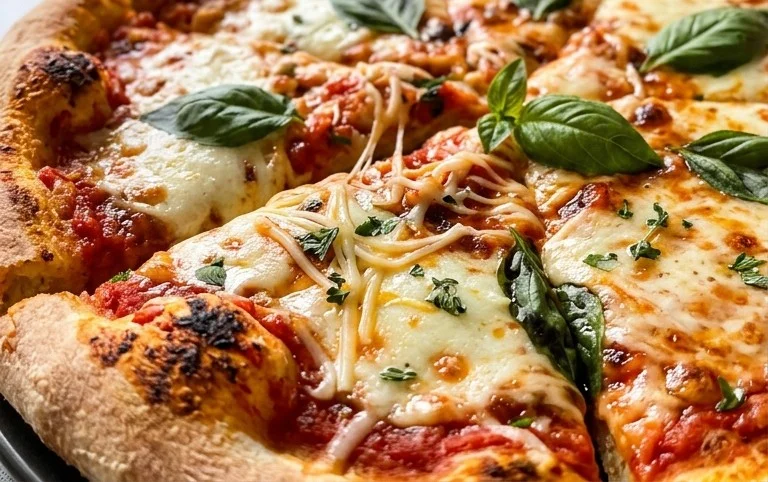
Conclusion:
So there you have it – an absolutely excellent no yeast pizza dough recipe that proves you don’t need hours of rising time to achieve delicious, homemade pizza! This recipe is fantastic because it’s incredibly quick, requires minimal ingredients you likely already have in your pantry, and the results are consistently fantastic: a wonderfully chewy yet slightly crisp crust. Imagin extracte the satisfaction of pulling a piping hot, custom-made pizza from your oven in under an hour! It’s perfect for those spontaneous pizza cravings or busy weeknights when you want a homemade meal without the fuss.
Serve this versatile dough with your favorite classic toppings, or get creative! Think a white pizza with ricotta, garlic, and spinach, or a bold BBQ chicken pizza. You could even use it for a dessert pizza with sweet fruits and a chocolate drizzle. Don’t hesitate to experiment with herbs in the dough itself, like dried oregano or basil, for an extra burst of flavor. I truly encourage you to give this no yeast pizza dough a try; you might just find it becomes your new go-to pizza base. It’s genuinely that easy and rewarding!
Frequently Asked Questions:
Can I make this pizza dough ahead of time?
While this recipe is designed for immediate use, you can prepare the dough and refrigerate it for up to 24 hours. Let it come to room temperature for about 30 minutes before shaping and baking.
My dough is a bit sticky, what should I do?
A slightly sticky dough is normal for no yeast recipes. Lightly flour your hands and the work surface when kneading and shaping. If it’s excessively sticky, add just a teaspoon more flour at a time until it’s manageable.
Can I freeze this pizza dough?
Yes, you absolutely can! Once the dough is made, shape it into a disc, wrap it tightly in plastic wrap, then place it in a freezer-safe bag. Thaw in the refrigerator overnight before using.
An excellent No Yeast Pizza Dough – quick easy homemade pizza!
A quick and easy no-yeast pizza dough recipe perfect for homemade pizzas. This dough comes together rapidly and requires no proofing.
Ingredients
-
{‘@type’: ‘Ingredient’, ‘name’: ‘bread flour (or plain / all purpose flour)’}
-
{‘@type’: ‘Ingredient’, ‘name’: ‘baking powder’, ‘quantity’: ‘2’, ‘unit’: ‘tsp’}
-
{‘@type’: ‘Ingredient’, ‘name’: ‘salt’, ‘quantity’: ‘3/4’, ‘unit’: ‘tsp’}
-
{‘@type’: ‘Ingredient’, ‘name’: ‘sugar’, ‘quantity’: ‘3/4’, ‘unit’: ‘tsp’}
-
{‘@type’: ‘Ingredient’, ‘name’: ‘olive oil (or any other oil)’, ‘quantity’: ‘2’, ‘unit’: ‘tsp’}
-
{‘@type’: ‘Ingredient’, ‘name’: ‘water (cold tap water)’, ‘quantity’: ‘1/2’, ‘unit’: ‘cup’}
-
{‘@type’: ‘Ingredient’, ‘name’: ‘Extra Flour (, for dusting)’}
-
{‘@type’: ‘Ingredient’, ‘name’: ‘vegetable oil (optional) (, for brushing crust (or canola or other neutral oil))’}
Instructions
-
Step 1
In a large bowl, whisk together the flour, baking powder, salt, and sugar. -
Step 2
Add the olive oil and cold water to the dry ingredients. -
Step 3
Mix with a spoon or spatula until a shaggy dough forms. Then, turn out onto a lightly floured surface and knead for about 2-3 minutes until the dough is smooth and elastic. -
Step 4
Shape the dough into your desired pizza base. For a crispier crust, you can brush the edges with vegetable oil. -
Step 5
Add your favorite toppings and bake in a preheated oven (typically 425-450°F / 220-230°C) for 15-20 minutes, or until the crust is golden brown and the cheese is bubbly.
Important Information
Nutrition Facts (Per Serving)
It is important to consider this information as approximate and not to use it as definitive health advice.
Allergy Information
Please check ingredients for potential allergens and consult a health professional if in doubt.