Easy Sweet Potato Curry – Flavorful & Quick Recipe
Sweet potato curry is more than just a meal; it’s a vibrant hug in a bowl, a symphony of comforting flavors that warms you from the inside out. We’re talking about that perfect balance of sweet, earthy potato mingling with aromatic spices, creating a dish that’s both satisfyingly hearty and surprisingly light. Why do I adore this particular sweet potato curry? It’s the sheer versatility and the way it transforms humble ingredients into something truly magical. It’s the kind of recipe that makes your kitchen smell incredible and leaves you feeling nourished and content. What sets this particular sweet potato curry apart is its adaptability – feel free to add your favorite veggies or adjust the spice level to suit your palate. It’s a crowd-pleaser that’s perfect for a cozy weeknight dinner or for impressing guests with minimal fuss.
Sweet Potato Curry
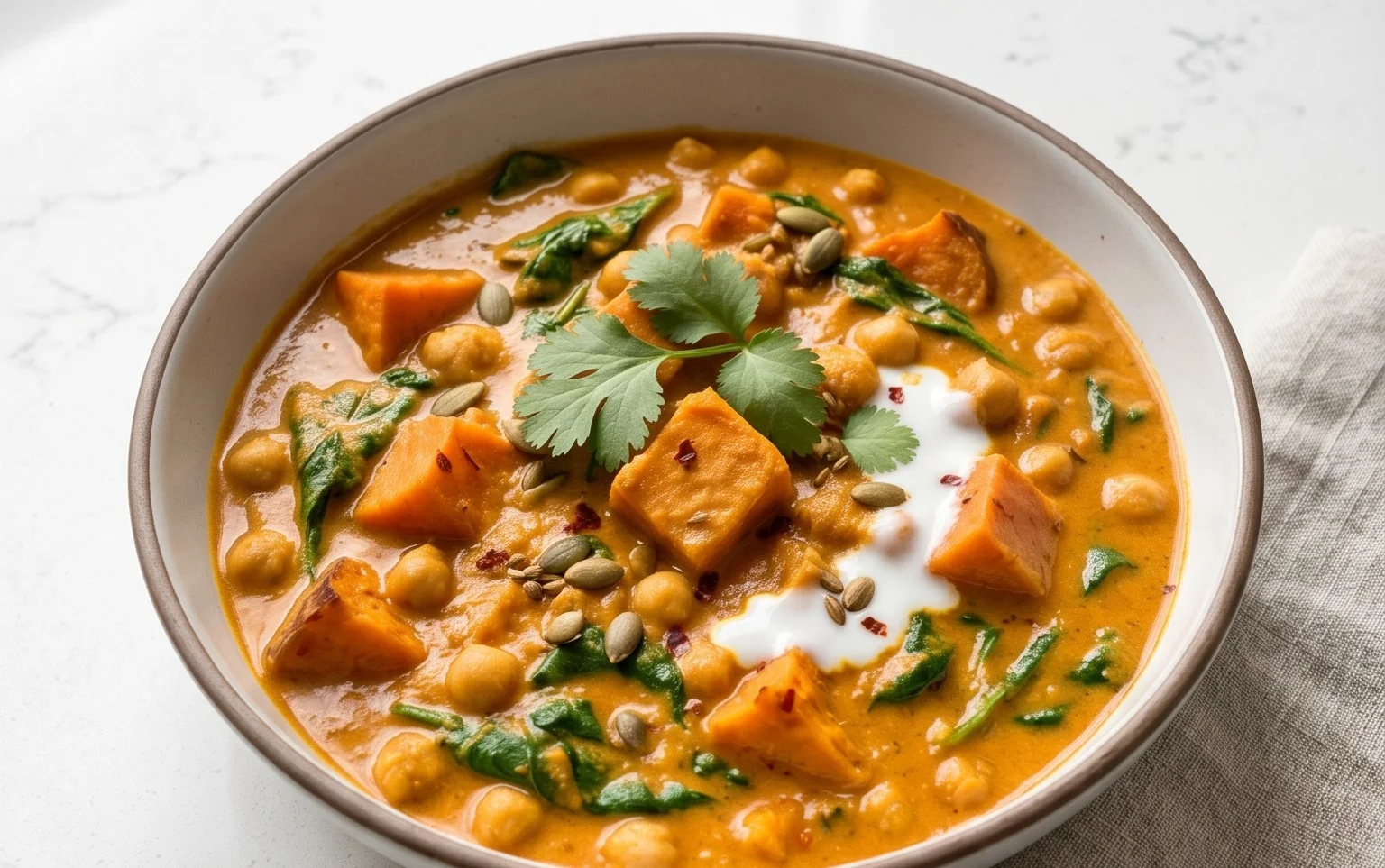
This Sweet Potato Curry is a vibrant, comforting, and incredibly satisfying dish that’s perfect for a weeknight meal or a cozy weekend dinner. It’s packed with flavor, wholesome ingredients, and comes together with surprising ease. The natural sweetness of the potatoes pairs beautifully with the warmth of the red curry paste and the creaminess of the coconut milk, while the chickpeas add a hearty protein boost. This recipe is a fantastic way to enjoy a plant-based meal that doesn’t skimp on taste or texture. Get ready to fill your kitchen with the most delightful aromas!
Ingredients:
Cooking Instructions
Let’s get cooking! This recipe is designed to be straightforward, allowing you to create a restaurant-quality curry in your own home. We’ll build layers of flavor, starting with aromatics and moving through the simmering process.
1. Sautéing the Aromatics: To begin extract building the foundation of our curry, we need to release the fragrant oils from our onions and garlic. Heat a large pot or Dutch oven over medium heat. Add a tablespoon of neutral cooking oil (like vegetable or canola oil) – just enough to coat the bottom of the pot. Once the oil is shimmering, add your chopped onions. Sauté them, stirring occasionally, for about 5-7 minutes, or until they become softened and translucent. Don’t rush this step; softened onions release a wonderful sweetness that will enhance the entire dish. Next, add the minced garlic and cook for another minute until fragrant, being careful not to burn it, as burnt garlic can turn bitter.
2. Blooming the Curry Paste: This is where the magic really begin extracts to happen! Add the red curry paste to the pot with the onions and garlic. Stir it in well and cook for 1-2 minutes, stirring constantly. This process is called “blooming” the spices. By heating the curry paste, you awaken its complex flavors and aromas, making the curry much more robust and delicious. You’ll notice the paste becoming more fragrant and a deeper red color. This step is crucial for maximizing the flavor of your curry.
3. Simmering the Sweet Potatoes: Now it’s time to introduce the stars of our dish: the sweet potatoes. Add the cubed sweet potatoes to the pot and stir them to coat them evenly with the onion, garlic, and curry paste mixture. Pour in the full-fat coconut milk. Make sure to scrape all that delicious goodness from the can! Add about ½ cup of water or vegetable broth to help create a lovely sauce consistency. Bring the mixture to a gentle simmer. Once simmering, reduce the heat to low, cover the pot, and let it cook for about 15-20 minutes, or until the sweet potatoes are tender when pierced with a fork. Stir occasionally to prevent anything from sticking to the bottom of the pot.
4. Adding the Chickpeas and Bell Pepper: Once the sweet potatoes are almost fork-tender, it’s time to add the other substantial ingredients. Stir in the drained and rinsed chickpeas and the chopped bell pepper. Continue to simmer, uncovered, for another 5-7 minutes, allowing the chickpeas to heat through and the bell pepper to soften slightly while retaining a pleasant bite. This is also a good time to taste your curry and season it with salt and freshly ground black pepper. Remember that red curry paste can vary in saltiness, so start with a small amount of salt and adjust as needed.
5. Wilting the Spinach and Finishing Touches: In the final moments of cooking, stir in the large handful of chopped fresh spinach. The residual heat from the curry will be enough to wilt the spinach down beautifully in just a minute or two. This adds a lovely touch of green and an extra boost of nutrients. Once the spinach is wilted, give the curry a final stir. You’re looking for a thick, creamy sauce that coats the sweet potatoes and chickpeas. If the curry seems too thick, you can add a splash more water or coconut milk. If it’s too thin, you can let it simmer gently, uncovered, for a few more minutes to reduce.
Serve this delicious Sweet Potato Curry hot, perhaps with a side of steamed rice, quinoa, or even some warm naan bread for scooping up every last drop of that flavorful sauce. Enjoy this comforting and nourishing meal!
Conclusion:
I hope you’re feeling inspired to whip up this delicious Sweet Potato Curry! It’s a truly wonderful dish because it’s incredibly flavorful, satisfying, and surprisingly easy to make, proving that healthy eating can also be wonderfully comforting and vibrant. The sweetness of the potatoes, perfectly balanced by warming spices and creamy coconut milk, creates a symphony of tastes and textures that will leave you feeling nourished and content. This recipe is a fantastic weeknight meal, but it’s also elegant enough for guests. Don’t hesitate to experiment and make it your own!
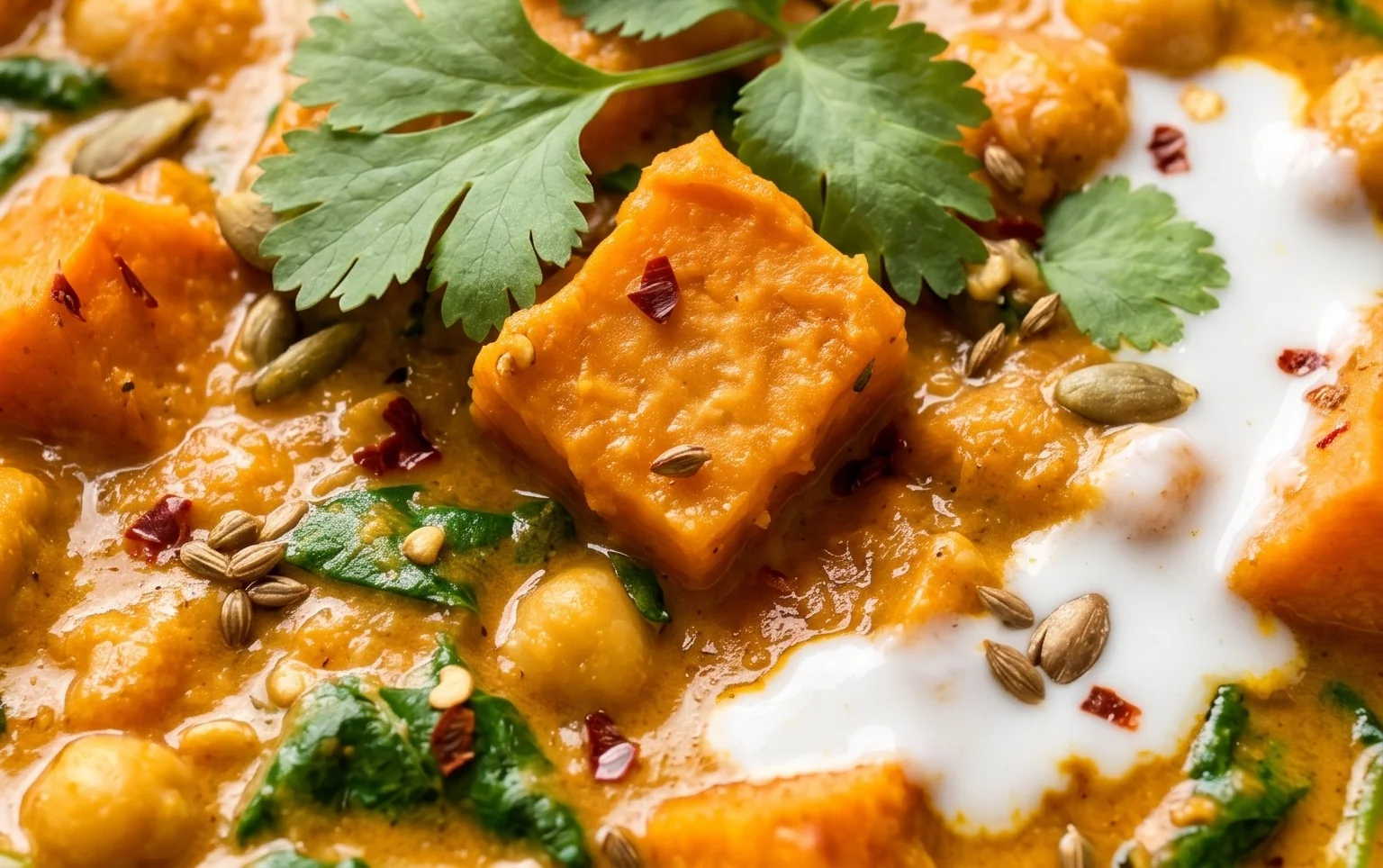
For serving, I love to pair this Sweet Potato Curry with fluffy basmati rice or warm naan bread to soak up all that delicious sauce. A dollop of plain yogurt or a sprinkle of fresh cilantro adds a lovely cooling contrast and a burst of freshness. Looking for variations? Feel free to add other vegetables like spinach, peas, or cauliflower. For an extra protein boost, consider adding chickpeas or diced tofu. You can also adjust the spice level to your preference – add more chili for a fiery kick or less if you prefer it milder.
Give this Sweet Potato Curry a try; I’m confident you’ll adore it as much as I do!
Frequently Asked Questions:
Can I make this Sweet Potato Curry vegan?
Absolutely! This recipe is naturally vegan as written, thanks to the use of coconut milk. Just ensure any additional ingredients you add are also plant-based.
What can I use if I don’t have sweet potatoes?
While sweet potatoes are the star, you could substitute them with butternut squash for a similar texture and sweetness, or even regular potatoes, though the flavor profile will be slightly different.
How long does this curry last in the refrigerator?
This Sweet Potato Curry stores wonderfully. It will keep in an airtight container in the refrigerator for up to 3-4 days. The flavors often deepen and meld beautifully on the second day!
Sweet Potato Curry
A simple and flavorful vegetarian sweet potato and chickpea curry made with coconut milk and red curry paste.
Ingredients
-
2 medium sweet potatoes, cubed
-
4 cloves garlic, minced
-
1 cup bell pepper
-
1 15 oz can chickpeas, drained
-
1 14 oz can full fat coconut milk
-
1/2 cup onions, chopped
-
4 Tbs Red Curry Paste
-
salt, pepper to taste
-
1 large handful spinach, chopped
Instructions
-
Step 1
Sauté the chopped onions and minced garlic in a large pot or Dutch oven over medium heat until softened, about 5 minutes. -
Step 2
Add the red curry paste and cook for another minute until fragrant, stirring constantly. -
Step 3
Stir in the cubed sweet potatoes and bell pepper. Pour in the full-fat coconut milk and bring to a simmer. -
Step 4
Cover and let it cook for 15-20 minutes, or until the sweet potatoes are tender, stirring occasionally. -
Step 5
Add the drained chickpeas and spinach to the pot. Cook for another 3-5 minutes, until the spinach is wilted. -
Step 6
Season with salt and pepper to taste. Serve hot, perhaps with rice or naan.
Important Information
Nutrition Facts (Per Serving)
It is important to consider this information as approximate and not to use it as definitive health advice.
Allergy Information
Please check ingredients for potential allergens and consult a health professional if in doubt.