Mini Lemon Cakes With Lavender Glaze Recipe
Mini Lemon Cakes With Lavender Glaze are a delightful way to bring a touch of sunshine and floral elegance to any occasion. Imagin extracte biting into a tender, zesty cake, its bright citrus notes perfectly balanced by the subtle, aromatic whisper of lavender. That’s the magic we’re creating today! These mini cakes are incredibly popular because they offer that perfect balance of sweet and tart, with a sophisticated twist that elevates them far beyond your average treat. They’re not just delicious; they’re an experience. What truly makes these Mini Lemon Cakes With Lavender Glaze so special is the unexpected harmony of flavors. The familiar comfort of lemon is beautifully complemented by the delicate perfume of lavender, creating a dessert that is both refreshing and surprisingly complex. They’re perfect for a springtime tea, a light dessert after dinner, or simply a little indulgence to brighten your day. Get ready to fall in love with these miniature marvels!
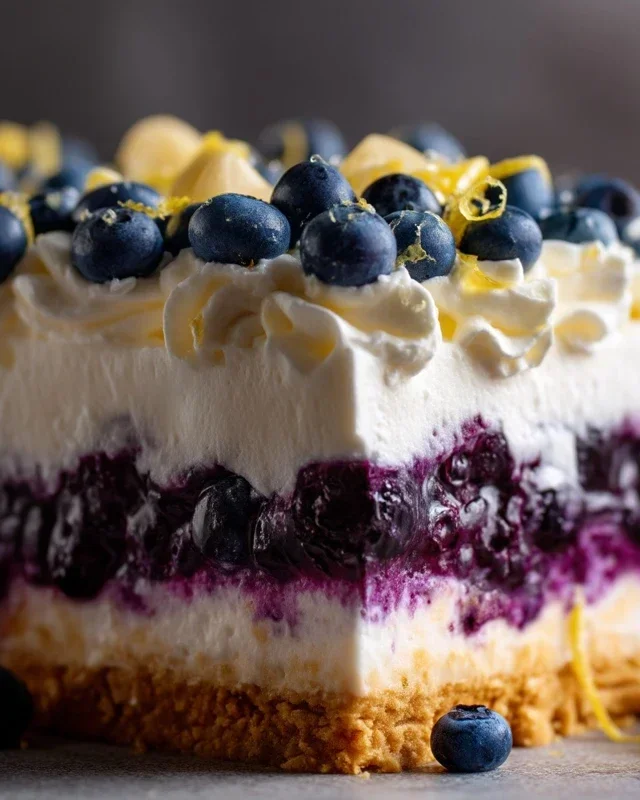
Mini Lemon Cakes With Lavender Glaze
There’s something undeniably charming about mini cakes. They’re perfectly portioned, delightful to look at, and feel a little bit special, don’t you think? These mini lemon cakes are bright, zesty, and have a wonderfully tender crum extractb. But the real magic happens when you pair them with the fragrant, subtly floral lavender glaze. It’s a combination that’s both refreshing and sophisticated, perfect for afternoon tea, a light dessert, or even a special brunch treat. I love how the tartness of the lemon is perfectly balanced by the delicate sweetness of the glaze. Plus, the hint of lavender adds an unexpected and elegant twist that always impresses. Making them in miniature makes them incredibly easy to serve and enjoy without any fuss. Let’s get baking!
Ingredients:
Baking the Mini Lemon Cakes
The base of these delightful little cakes is a simple yet effective butter cake batter. Starting with softened butter is key for achieving a light and airy texture. Make sure it’s truly softened, not melted – you should be able to press your finger into it easily. This ensures it creams properly with the sugars, incorporating air that will contribute to the cake’s lift. We’re using a combination of granulated and light brown sugar. The granulated sugar provides sweetness and structure, while the brown sugar adds a subtle moisture and a hint of caramel-like depth.
When you zest your lemons, try to get only the yellow part of the peel. The white pith underneath can be quite bitter and will affect the final flavor. Rubbing the lemon zest into the sugar before creaming it with the butter helps to release even more of the fragrant oils, infusing the batter with a stronger lemon essence. This small step makes a big difference!
Room temperature ingredients are crucial for a smooth and well-emulsified batter. Cold eggs or dairy can cause the butter to seize up, resulting in a dense cake. So, take your eggs, sour cream, and milk out of the refrigerator about an hour before you plan to start baking.
Now, for the mixing process. We’ll cream the softened butter with both sugars until the mixture is light and fluffy. This is where a stand mixer with a paddle attachment is your best friend, but a hand mixer will also do the job beautifully. Once that’s done, beat in the eggs one at a time, making sure each is fully incorporated before adding the next. Then, stir in the lemon zest and vanilla extract.
In a separate bowl, whisk together the all-purpose flour, kosher salt, and baking soda. This ensures the leavening agents are evenly distributed throughout the dry ingredients, preventing pockets of baking soda or salt. Gradually add the dry ingredients to the wet ingredients, alternating with the sour cream and milk. Begin extract and end with the dry ingredients. Mix on low speed until just combined; be careful not to overmix, as this can develop the gluten in the flour and lead to a tough cake. Overmixing is one of the most common culprits of a dense cake, so resist the urge to keep beating once the flour streaks disappear.
Once your batter is ready, it’s time to fill your mini muffin tins. I like to use a mini muffin tin that holds about 24 mini muffins. Lightly grease and flour the tins, or use mini cupcake liners for easier cleanup. Fill each cup about two-thirds full. This allows for a bit of rise without overflowing.
Bake at 350°F (175°C) for approximately 14-18 minutes, or until a toothpick inserted into the center of a cake comes out clean. The baking time will vary slightly depending on your oven, so keep an eye on them. Once baked, let them cool in the tins for a few minutes before transferring them to a wire rack to cool completely. Allowing them to cool slightly in the tin helps them hold their shape.
Crafting the Lavender Glaze
While our mini cakes are cooling, we can prepare the star of the show – the lavender glaze. This glaze is a simple confectioners’ sugar glaze infused with the delicate aroma of lavender. To achieve this, we’ll gently warm a small amount of milk with culinary lavender. Using culinary-grade lavender is essential, as it’s specifically grown for consumption and has a pleasant, subtle floral flavor. Other types of lavender might have a stronger, more soapy taste.
In a small saucepan, combine 1/4 cup of whole milk with 1/2 teaspoon of culinary lavender. Heat this mixture over low heat, stirring occasionally, until it’s warm but not boiling. You want to gently coax the lavender flavor into the milk. Let it steep for about 10-15 minutes off the heat, allowing the lavender to infuse thoroughly. Once steeped, strain the milk through a fine-mesh sieve into a clean bowl, pressing on the lavender buds to extract as much flavored milk as possible. Discard the lavender buds.
Now, in a medium bowl, whisk together the 1 1/2 cups of powdered sugar and 1/4 teaspoon of kosher salt. The salt helps to balance the sweetness of the glaze. Gradually add the lavender-infused milk to the powdered sugar mixture, whisking until smooth and lump-free. Start with a little less milk than you think you’ll need, and add more a teaspoon at a time until you reach your desired drizzling consistency. The glaze should be thick enough to coat the back of a spoon but thin enough to drizzle easily. If it’s too thick, add a tiny bit more milk. If it’s too thin, add a bit more powdered sugar.
Once the mini cakes have cooled completely, you can drizzle or spoon the lavender glaze over them. You can dip the tops of the cakes directly into the glaze, or use a spoon to artfully drizzle it over each one. For a pretty finish, you can sprinkle a few dried culinary lavender buds on top of the wet glaze. Let the glaze set for about 15-20 minutes before serving. These mini lemon cakes with lavender glaze are best enjoyed the same day they are made, though they can be stored in an airtight container at room temperature for up to two days. Enjoy these little bites of sunshine and floral bliss!
Conclusion:
These mini lemon cakes with lavender glaze are an absolute delight, offering a perfect balance of bright citrus and delicate floral notes. They are wonderfully moist, incredibly easy to whip up, and their charming mini size makes them perfect for any occasion, from a fancy afternoon tea to a simple sweet treat with your morning coffee. The subtle perfume of the lavender glaze elevates these simple cakes into something truly special, making them a guaranteed crowd-pleaser. I truly encourage you to give this recipe a try – you won’t be disappointed by the wonderful aroma and flavor that fills your kitchen!
Serve these adorable cakes as is, or elevate them further with a dusting of powdered sugar, a few fresh berries, or even a sprig of fresh lavender for visual appeal. For variations, consider adding a touch of culinary rosewater to the glaze for a different floral dimension, or incorporating finely chopped candied lemon peel into the cake batter for an extra burst of citrusy intensity. Experimenting with different edible flowers in the glaze could also lead to exciting new flavor profiles!
Frequently Asked Questions:
Can I make these cakes ahead of time?
Absolutely! These mini lemon cakes are even better the next day as the flavors meld beautifully. Store them in an airtight container at room temperature for up to 3 days. The lavender glaze is best added closer to serving time if possible to maintain its delicate aroma and texture, but they hold up well even with the glaze applied a day in advance.
Is culinary lavender readily available?
Yes, culinary lavender is increasingly easy to find! You can often purchase it at specialty food stores, well-stocked grocery stores, farmers’ markets, or online through reputable suppliers. Ensure you are using lavender specifically intended for culinary use, as ornamental varieties may be treated with pesticides or have a less desirable flavor profile.
Mini Lemon Cakes With Lavender Glaze
Delicate mini lemon cakes topped with a fragrant lavender-infused glaze, perfect for any occasion.
Ingredients
-
1 1/3 cups all-purpose flour
-
1/2 tsp. kosher salt
-
1/8 tsp. baking soda
-
1/2 cup unsalted butter, softened
-
2/3 cup granulated sugar
-
1/3 cup packed light brown sugar
-
1 Tbsp. grated lemon zest (from 2 lemons)
-
2 large eggs, at room temperature
-
1/4 cup sour cream, at room temperature
-
1/4 cup whole milk, at room temperature
-
1 tsp. vanilla extract
-
1/4 cup whole milk
-
1/2 tsp. culinary lavender
-
1 1/2 cups powdered sugar
-
1/4 tsp. kosher salt
Instructions
-
Step 1
Preheat oven to 350°F (175°C). Grease and flour mini muffin tins or line with mini cupcake liners. -
Step 2
In a medium bowl, whisk together the flour, 1/2 tsp. kosher salt, and baking soda. Set aside. -
Step 3
In a large bowl, cream together the softened butter, granulated sugar, and brown sugar until light and fluffy. Beat in the lemon zest. -
Step 4
Add the eggs one at a time, beating well after each addition. Stir in the sour cream, 1/4 cup whole milk, and vanilla extract until just combined. -
Step 5
Gradually add the dry ingredients to the wet ingredients, mixing until just combined. Do not overmix. -
Step 6
Spoon batter into prepared mini muffin cups, filling each about two-thirds full. Bake for 15-18 minutes, or until a toothpick inserted into the center comes out clean. -
Step 7
While the cakes are baking, prepare the glaze. In a small bowl, whisk together 1/4 cup whole milk and culinary lavender. Let it steep for 5 minutes. -
Step 8
Strain the lavender-infused milk to remove the lavender. In a separate bowl, whisk together the powdered sugar, 1/4 tsp. kosher salt, and the strained lavender milk until smooth and drizzly. Add more milk or powdered sugar as needed to reach desired consistency. -
Step 9
Let the mini cakes cool in the tins for a few minutes before transferring them to a wire rack to cool completely. Once cooled, drizzle with the lavender glaze.
Important Information
Nutrition Facts (Per Serving)
It is important to consider this information as approximate and not to use it as definitive health advice.
Allergy Information
Please check ingredients for potential allergens and consult a health professional if in doubt.